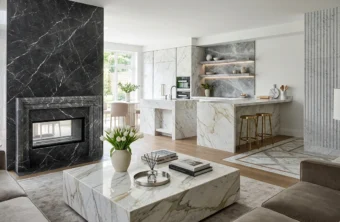
A marble table is one of the most timeless and elegant pieces you can add to a home. It brings natural beauty, luxury, and durability into any space. If you are shopping for a marble table in the U.S. market, understanding the material behind the design is just as important as the style itself.
Turkey is one of the world’s leading marble producers, offering high-quality natural stones widely used in international furniture and interior design. Many premium marble tables sold in the U.S. are crafted from Turkish stone such as Afyon, Bilecik, and Elazığ marble varieties.
Here are the 5 essential rules to help you choose the right marble table.
1. Understand the Type of Marble
Not all marble is created equal. Each type has a unique color, pattern, and durability level.
Some of the most popular Turkish marbles used in high-end furniture include:
- Afyon White Marble – clean, bright, and modern aesthetic
- Afyon Sugar Marble – soft beige tones with elegant texture
- Bilecik Beige Marble – warm, neutral, and widely used in interiors
- Elazığ Cherry Marble – deep red tones with bold character
- Marmara Marble – classic gray-white veining, very timeless
- Denizli Travertine – natural, textured surface with earthy tones
These materials are frequently used in luxury export products due to their durability and visual appeal.
2. Match the Marble Table to Its Purpose
Your intended use determines the best marble choice:
- Dining Table: Choose durable, stain-resistant options like Afyon White or Bilecik Beige
- Coffee Table: Elazığ Cherry or Marmara Marble for a more decorative statement
- Office / Work Table: Neutral tones like Afyon Sugar or Marmara for a clean, minimal look
For U.S. homes, lighter tones are especially popular in modern and Scandinavian-style interiors.
3. Choose the Right Finish: Polished vs Honed
The surface finish changes both appearance and practicality:
- Polished (Glossy):
High-end, reflective finish that enhances color and veining. Common in luxury dining tables.
- Honed (Matte):
Smooth but non-shiny surface that feels more natural and hides fingerprints better.
Polished finishes are more popular in formal dining areas, while honed finishes are often preferred for everyday use.
4. Check Thickness and Structural Support
A quality marble table must be structurally strong.
- Recommended thickness: 0.79”- 1.18”
- Heavier marble slabs provide better durability and a premium feel
- A solid base (steel or reinforced wood) is essential for stability
Turkish marble is known for its density and strength, making it a reliable choice for large table surfaces used in American homes.
5. Sealing and Maintenance Are Essential
Because marble is a natural stone, it is porous and needs protection:
- Always ensure the surface is properly sealed (sealant applied)
- Avoid acidic cleaners (vinegar, lemon-based products, etc.)
- Reseal every 6–12 months depending on usage
- Clean with pH-neutral stone cleaners
This is especially important for darker stones like Elazığ Cherry Marble, which may show etching if not properly protected.
Final Thoughts
A marble table is more than just furniture, it’s a long-term investment in design and lifestyle. Turkish marbles are widely respected in the global market for their quality, natural beauty, and durability, making them a strong choice for premium interiors in the United States.
Choosing the right marble ensures your table will remain a centerpiece in your home for many years, combining functionality with timeless elegance.